What is Coeliac Awareness Week?

First aid in the news

Coeliac Awareness Week aims to raise awareness about Coeliac disease, a chronic condition that makes the immune system react abnormally to gluten. Continue reading for more information on how you can get involved!
Did you know that March 13th is the first day of Coeliac Awareness Week? In Australia, Coeliac Awareness Week is March 13-20, and it aims to raise awareness about Coeliac disease and how it can often be undiagnosed. Coeliac Australia runs the Awareness Week and this year they want to spotlight the importance of increasing testing and diagnosis of coeliac disease in children. In this article we’re going to cover what Coeliac disease is, what Coeliac Awareness Week is, and how you can get involved!What is Coeliac Awareness Week?
Coeliac Awareness Week tries to get people talking about their symptoms and taking action to get screened. Coeliac disease is progressive, meaning symptoms will continue to worsen as sufferers get older – but it often goes undiagnosed. This year, Coeliac Awareness Week is focussing on increasing testing and diagnoses in children. Coeliac disease often develops in childhood, and it’s estimated that in Australia 1 in 70 children will have coeliac disease. However it's also thought that 80% of these cases will go undiagnosed, leaving kids with an increased risk of lifelong health complications. That’s why campaigns like Coeliac Awareness Week are so important! Here in Australia, Awareness Week is run by Coeliac Australia.What is Coeliac Australia?
Coeliac Australia is a charity that works to support Australians with coeliac disease, and any associated conditions that require a gluten free diet. They provide information and support, raise funds for research, and create awareness both of the disease but also of a gluten free diet.What is Coeliac Disease?
So what is coeliac disease, and what are its symptoms? Coeliac disease is an autoimmune disorder that makes the immune systems react abnormally to gluten, causing small intestine and bowel damage. Gluten is a protein found in wheat, barley, rye, and oats. The bowel and intestinal damage often leads to gastrointestinal and malabsorptive symptoms, such as vitamin deficiencies. Symptoms of coeliac disease vary considerably, and some people can even be asymptomatic. However, common symptoms include gastrointestinal problems (e.g. diarrhoea, constipation, nausea, etc), fatigue, iron deficiency and/or other vitamin/mineral deficiencies, delayed puberty, weight loss, mouth ulcers, or skin rashes. People with the disease will remain sensitive to gluten throughout their life. This means that a strict gluten free diet is the only recognised medical treatment of coeliac disease. Only eating gluten free food allows the bowel lining to heal and for symptoms to resolve. Untreated disease can have long term effects, such as chronic inflammation, poor nutrition, and malabsorption of nutrients.Final Thoughts
Coeliac disease is an autoimmune condition that makes your body react abnormally to gluten. While it is a lifelong condition, it can be effectively managed with a gluten free diet. Because of this, campaigns such as Coeliac Awareness Week are important – people need to know that coeliac disease is a possibility, so that they can get screened if they present with symptoms. Undiagnosed coeliac disease can cause lifelong health complications. If somebody you know has been affected by coeliac disease, you can sign up for a general or childcare first aid course to learn more about how to respond in an emergency. To find out whether there are courses near you, visit our locations page on our website.
Originally published at
https://www.australiawidefirstaid.com.au/resources/coeliac-awareness-week
as part of the Australia Wide First Aid Articles Library
Related Articles
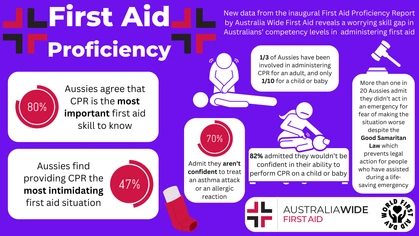
Nearly Half of Aussies Don't Know CPR
New data reveals nearly half of Aussies lack the CPR knowledge to save a life. In fact, new data from Australia Wide First Aid’s inaugural, First Aid Proficiency Report, reveals only a third of Aussies have ever assisted in providing CPR.

Can You Be Sued for Providing First Aid?
The idea of helping someone in an emergency situation often raises concerns about potential legal repercussions. While the desire to assist is strong, many Australians wonder if they could be sued for rendering first aid. This article explores the legal landscape in Australia regarding the liability of individuals who provide first aid assistance.
Mpox: A Comprehensive Overview
Monkeypox is a rare viral disease that has garnered significant attention due to its similarities with smallpox. Although less severe, monkeypox is a public health concern, particularly in regions where it is endemic.

The ‘Most Kissed Face’ in the World
Ever wondered about the face used on the CPR manikins? Most people don't, until they discover the macabre backstory.

Siri Can’t Give You CPR Instructions
The use of AI is growing ever more expansive. These assistants, however, don’t seem to be useful in a crisis.

Back Blows Save Baby’s Life
Recently we saw news of a Michigan police officer saving a baby’s life during a traffic stop. In the dramatic and disturbing footage, the officer delivered back blows to stop the child choking. Had he not acted quickly, the outcome could have been a tragedy.
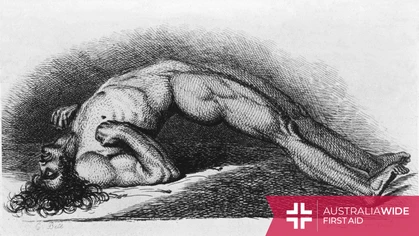
Tetanus in Australia: Causes, Symptoms and Prevention
Australia has experienced a recent spike in tetanus, a bacterial infection caused by the bacterium Clostridium tetani. This bacterium can enter the body through open wounds and cause muscle stiffness, muscle spasms, and, in severe cases, death.
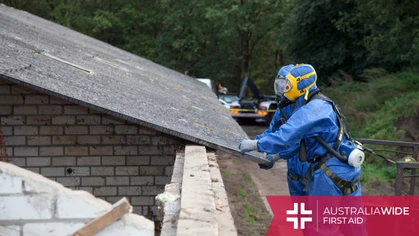
Exposed: The Lingering Threat of Asbestos in Australia
Asbestos is a group of naturally occurring minerals that were once widely used in Australia's construction industry. Though it has since been banned due to its highly toxic impact on human health, asbestos remains a lingering issue in Australia.

What is Nature Play Week?
Nature Play Week is an annual initiative that encourages children to spend more time outside, reconnect with nature, and ultimately develop important skills like creativity and problem solving. Find out how you can get involved!

Endometriosis Awareness Month
Endometriosis Awareness Month was started in 1993 to spread awareness about endometriosis, an inflammatory condition in which endometrial tissue grows outside the uterus. Find out how you can get involved!