6 Safety Tips for Child Care Workers

First Aid Training

Can you see the risks in this simple activity
Workers in schools and daycare centres including teachers, school administrators, and other child care professionals — are entrusted with parental responsibilities. Prominent among those responsibilities is a duty to make sure children at the establishment avoid injury and illness. Beyond planning lessons and supervising playtime, day care and education professionals devote time to ensuring the health and safety of their wards. With that goal in mind, here are 6 tips aimed at making safety and good health security in child care and educational settings more achievable.1. Refresh your first aid credentials
Child care workers in Australia are required to have advanced credentials in first aid — namely in the management of asthma and anaphylaxis — as mandated by the Australian Children’s Education and Care Quality Authority (ACECQA). The course to satisfy this requirement is HLTAID012 Provide First Aid in an education and care setting. Along with learning techniques specific to providing first aid for children and infants, this training also includes how to engage effectively and responsibly with fellow care staff, parents, and medical personnel. Investing in this course takes care of your professional obligation. Better still, it will allow you to respond competently and confidently when it comes to taking care of the children in your charge.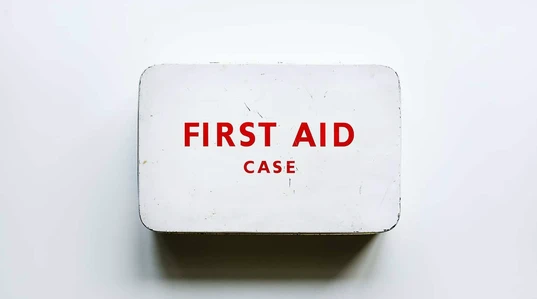
2. Replenish your first aid kits
Keeping emergency first aid kits on hand is sound practice at schools and daycare centres. Usually, this means at least one kit per floor, plus portable kits for sanctioned activities, such as field trips. Make it a weekly routine to check these kits to make sure that restocking of bandages, ointments, medicines, clean water, and the like, is done in timely fashion.3. Keep your environment free from clutter
Foster a culture of tidiness among your colleagues and your wards. School supplies, books, and toys in disarray can quickly become safety hazards. Everyone, young and old, needs to be mindful and return items to their regular safe storage locations. Tidy shelves, desks and tables, and clean unobstructed floors will go a long way toward preventing accidents among both children and adults.
4. Sanitise surfaces, utensils, hands
Keeping things clean and sanitised is a time-tested method that is still the best way to guard against pathogenic micro-organisms which, as the COVID-19 pandemic has shown, are to be found everywhere. Teach the children to wash their hands often, especially before they eat or handle food. Day care facilities and schools should make provisions to ensure kitchen utensils and surfaces are clean and disinfected at all times. This will decrease the risk of contamination and infection.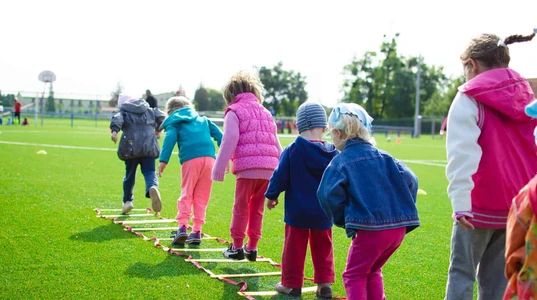
5. Supervise children at all times
Eagle eyes for supervision need to remain ever vigilant outdoors. Playground and sporting areas might convey a harmless appearance but this is where young bodies usually reach peak velocity. Children should be warned against rough play, jumping off ledges, and wandering too far from the line of vision of the adults. They may need to have sunscreen applied and require assistance to put on sun-protective clothing or accessories, such rash guards and caps.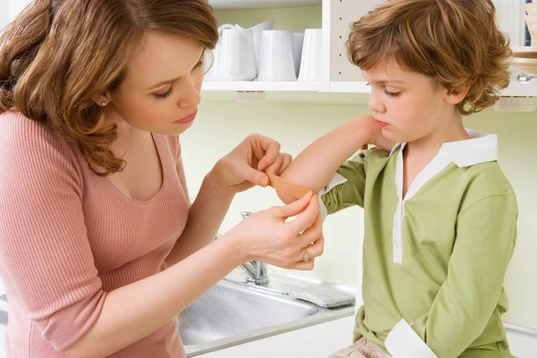
6. Age-appropriate first aid
The minimum age for accredited first aid training is 14 years. Despite that, younger people can benefit from a first aider’s sensibility being instilled with the help of a teacher or day care worker. Younger children can be taught how to keep themselves safe and to call on adults to help them in cases of emergency. Older students can help administer simple treatments and dress minor wounds, or be called on to dial Triple Zero in an emergency situations. Working in a care or education setting might sound like it’s all about taking care of others, but watching out for yourself should not be forgotten. After all, taking the best care of those in your care depends on your good health. Read more about our Child Care first aid course.
Originally published at
https://www.australiawidefirstaid.com.au/resources/6-safety-tips-for-child-care-workers
as part of the Australia Wide First Aid Articles Library
Related Articles
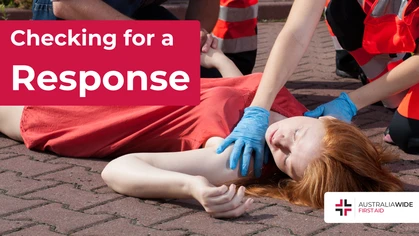
Checking for a Response
Checking for a response is critical before proceeding with any first aid assistance. Knowing if a casualty is conscious or not allows you to use the appropriate techniques. Using gentle but firm responsiveness techniques, such as the COWS method, mean you can check for a response while remaining respectful to the casualty.
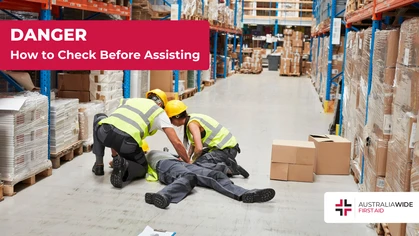
How to Check for Danger
When coming across someone who appears unconscious, injured, or in need of medical help, it’s instinctive to rush to their aid. Ensuring the scene is safe before assisting the person is not only a fundamental principle of first aid but also critical to preventing further harm.
How to Become a First Aid Trainer
Becoming a first aid trainer in Australia is a rewarding and impactful career choice that allows individuals to make a significant contribution to the community by imparting life-saving skills.
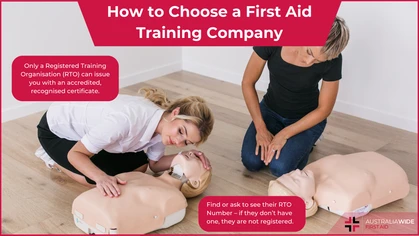
Choose a First Aid Training Company
With a seemingly endless supply of offerings for CPR and First Aid training, it can be difficult to determine the best option for you. So how can you tell if a provider is legitimate?
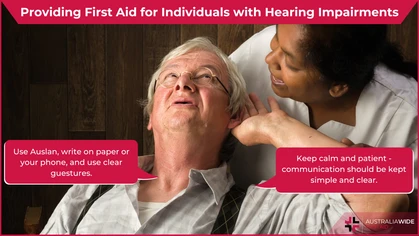
First Aid for Those with Hearing Impairments
When providing first aid to someone with a hearing impairment, it's essential to adapt your approach. Effective and respectful first aid can still be administered, even if you don’t know Auslan.

6 Common First Aid Mistakes and How to Fix Them
Time-sensitive emergencies can place enormous stress on even the most effective first aider and cause them to make mistakes. We've written this article to help you understand the dos and don'ts of common first aid procedures, and protect the casualty from further harm.

Get First Aid Certified at our New Cessnock Training Location
We are so excited to announce that we have opened a new first aid training location at Cessnock, the largest town in NSW's Hunter Valley wine region.
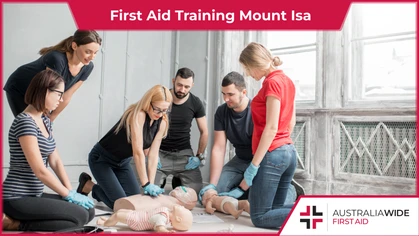
First Aid Training Mount Isa
Our Mount Isa first aid courses are innovative, inexpensive, and nationally accredited. Upon completing our Mount Isa first aid courses, you will have the knowledge and skills to manage a variety of medical emergencies.
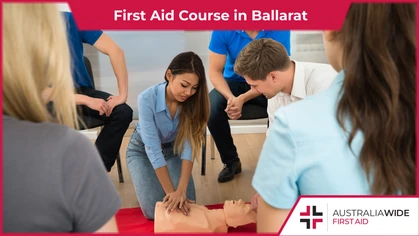
First Aid Course in Ballarat
Our first aid courses in Ballarat are innovative, inexpensive, and nationally accredited. Upon completing our first aid courses in Ballarat, you will have the knowledge and skills to manage a variety of medical emergencies.
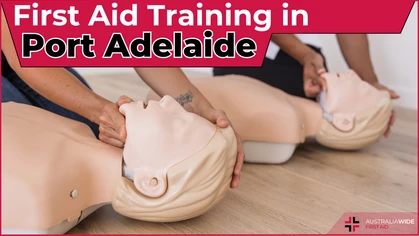
First Aid Course Port Adelaide
Our first aid courses in Port Adelaide are innovative, inexpensive, and nationally accredited. Upon completing our Port Adelaide first aid courses, you will have the knowledge and skills to manage a variety of medical emergencies.