Mental Health Issues vs. Mental Illness: Signs, Symptoms and Response

Mental Health
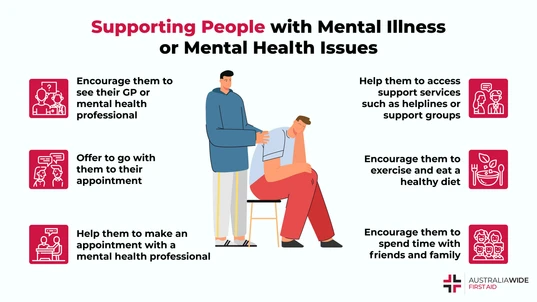
Mental health issues refer to any kind of problem with how we think, feel, or behave, while mental illness refers to diagnosable health conditions. There are numerous differences between the two, including their symptoms and treatments.
Mental health issues and mental illness are often used interchangeably, but there is a difference between the two. Mental health issues are any kind of problem with how we think, feel or behave. This can be anything from feeling down or anxious to having a mental health condition like schizophrenia or bipolar disorder. Mental illness, on the other hand, is a mental health condition that is diagnosed by a mental health professional.Mental Health Issues
Mental health issues can be caused by a number of different things. It could be due to our genes, our upbringing, our environment, or even our lifestyle choices. It’s important to remember that mental health issues are not our fault and we cannot always control them. Mental health issues are usually able to be resolved with support from family and friends, or by making some lifestyle changes. However, if mental health issues are not dealt with, they can lead to mental illness. Depression and anxiety usually start as mental health issues and if left untreated can progress to mental illnesses such as clinical depression and generalised anxiety disorder (GAD).Depression
Depression is one of the most common mental health issues. It’s a mental health condition that causes you to feel very low for a long period of time. You may lose interest in things you used to enjoy, have trouble sleeping or eating, and feel like there’s no point in carrying on. Signs and symptoms:- Feeling sad or down most of the time, irritable or agitated
- Losing interest in things you used to enjoy
- Having low energy levels and avoiding social situations
- Sleeping a lot or not being able to sleep
- Changes in appetite
- Feeling worthless or guilty and sometimes may consider self harm or suicide
- Difficulty concentrating or making decisions
- Exercise: Exercise can help to improve your mental health by releasing endorphins, which have mood-boosting effects.
- Diet: Eating a healthy diet can help to improve your mental health. Eating lots of processed and sugary foods can make mental health issues worse.
- Talking therapies: Talking to a therapist can help to improve mental health issues. Therapies such as cognitive behavioural therapy (CBT) can be very effective in treating mental health issues.
- Relaxation techniques: Relaxation techniques such as yoga, meditation, and deep breathing can help to improve mental health.
Anxiety
Anxiety is another common mental health issue. It’s a feeling of fear or worry that can be mild or severe. For some people, anxiety can be a normal reaction to stress. But for others, it may be so severe that it starts to interfere with their daily lives. Signs and symptoms:- Feeling nervous, restless or tense
- Having a sense of impending danger, panic or doom
- Having an increased heart rate, sweating, trembling or shortness of breath
- Feeling weak or tired and having trouble sleeping
- Difficulty concentrating or thinking about anything else
- Experiencing gastrointestinal (GI) problems
- Avoiding caffeine: Caffeine can make anxiety worse.
- Exercise & Diet: Exercise can help to reduce anxiety by releasing endorphins and improving sleep. Eating a healthy diet can also help to improve anxiety.
- Relaxation techniques: Relaxation techniques such as yoga, meditation, and deep breathing can help to reduce anxiety.
- Talking to someone you trust about your anxiety: Talking to someone you trust can help to improve anxiety.
Disordered Eating
Disordered eating is where someone may put restrictions around eating, but these are not significant enough to result in an eating disorder. People with disordered eating often have a negative relationship with food and their bodies. Signs and symptoms:- Preoccupation with food, weight, and dieting
- Extreme restriction of food intake or eating in secret or hiding food
- Feelings of guilt or shame after eating
- Excessive exercise
- Signs of malnutrition such as fatigue, dizziness, difficulty concentrating or hair loss
- Irritability or mood swings
- Education about nutrition and the importance of a balanced diet: Learning about nutrition and the importance of a balanced diet can help to improve disordered eating.
- Regular meals and snacks: Eating regular meals and snacks can help to improve disordered eating.
- Avoiding fad diets: Fad diets can make disordered eating worse.
Other Mental Health Issues
There are many other mental health issues that people can experience. Some of the more common ones include phobias, grief, ambivalence, or anger. If you are concerned about your mental health, it’s important to talk to a mental health professional.Mental Illnesses
Mental illness is a mental health condition that is diagnosed by a mental health professional. It’s important to remember that mental illness is not our fault and we cannot always control it. Mental illnesses can be caused by a number of different things. It could be due to our genes, our upbringing, our environment or even our lifestyle choices. Mental illnesses usually affect the physiology of the brain so treatment and management are primarily managed through a medical professional, however, can be supported with lifestyle changes. Below we discuss some of the most common mental illnesses, however it is important to note that this is not an exhaustive list.Post-Traumatic Stress Disorder (PTSD)
PTSD is a mental illness that can develop after experiencing or witnessing a traumatic event. It’s normal to have some anxiety and stress after a traumatic event, but for people with PTSD, these symptoms can last for months or even years. Signs and symptoms:- Flashbacks or nightmares of the event
- Difficulty sleeping
- Feeling irritable or on edge
- Avoiding things that remind you of the event
- Negative changes in mood and thinking
Psychotic Disorders, (eg.Schizophrenia)
Psychotic disorders are mental illnesses that cause changes in a person’s thinking, perception, mood and behaviour. These changes can make it hard for the person to think clearly, manage their emotions, make decisions and relate to other people. Signs and symptoms:- Hallucinations and Delusions
- Disordered thinking
- Inappropriate mood or emotions
- Agitation or aggression
- Social withdrawal
Mood Disorders (eg. Bipolar Disorder, Depression)
Mood disorders are mental illnesses that cause changes in a person’s mood. This can range from feeling very low (depression) to feeling very high (mania). Some conditions such as bipolar disorder may include both of these phases. Signs and symptoms:- Extreme changes in mood
- Irritability
- Difficulty concentrating and loss of interest in activities
- Fatigue and changes in sleep patterns
- Unexplained physical symptoms
Anxiety Disorders (eg. Generalised Anxiety Disorder, Panic Disorder)
Anxiety disorders are mental illnesses that cause feelings of anxiety, fear or worry. These feelings can be so severe that they interfere with our everyday lives. Signs and symptoms:- Feelings of anxiety, fear or worry and irritability
- Physical symptoms such as a racing heart, sweating or trembling
- Avoidance of situations that trigger anxiety
- Difficulty concentrating
- Sleep problems
Eating Disorders (eg. Bulimia Nervosa, Anorexia Nervosa)
Eating disorders are mental illnesses that cause changes in our eating behaviours. This can range from binge eating and purging, to restricting food intake and excessive exercise. Eating disorders can have a negative impact on our physical health as well as our mental health. Signs and symptoms:- Disordered eating including: preoccupation with food, weight and dieting, extreme restriction of food intake, eating in secret or hiding food, feelings of guilt or shame after eating
- Excessive exercise
- Signs of malnutrition such as fatigue, dizziness or hair loss
- Irritability or mood swings
- Difficulty concentrating
Obsessive-Compulsive Disorder (OCD)
Obsessive-compulsive disorder is a mental illness that causes repetitive and unwanted thoughts (obsessions) and behaviours (compulsions). These thoughts and behaviours can be so severe that they interfere with our everyday lives. Signs and symptoms:- Obsessions such as fear of contamination, symmetry or orderliness
- Compulsions such as excessive hand washing, cleaning or checking locks
- Avoidance of situation that triggers obsessions
- Excessive worry about contracting a disease or becoming contaminated
- Difficulty concentrating
Mental Health Support
To nurture a society that values mental health, education must take centre stage. Without it, stigma and misinformation can prevent people from seeking or offering help when it’s most needed. Mental health deserves the same attention as physical health. Learning to detect early warning signs of mental ill-health can pave the way for timely assistance, preventing situations from escalating into critical events. Completing a Mental Health Support Course provides the essential tools to recognise mental health struggles and confidently support those in need. If an in-person course doesn't suit you, we also offer a fully-online Mental Health Support course to give you the knowledge and tools you need to be able to assist someone who is experiencing poor mental health or is in a crisis. Completed from the comfort of your own home, earn your Certificate of Completion to give to your employer, put on your resume, or simply move forward with the knowledge that you can lend actual help to those who may need it.
Originally published at
https://www.australiawidefirstaid.com.au/resources/warning-signs-of-mental-illness
as part of the Australia Wide First Aid Articles Library
Related Articles

Mango Madness - Seasonal Affective Disorders
Mental health can be influenced by every aspect of our lives, and the weather is no exception. In places closer to the equator with humid environments, like Darwin here in Australia, the onset of monsoon season can see people suffer from a tropical seasonal affective disorder known as ‘mango madness’.
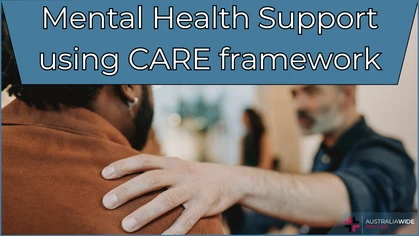
Using the CARE Framework
Mental health crises can occur unexpectedly, and knowing how to respond effectively can make a significant difference. The CARE framework is an easy-to-remember guide for offering support during a mental health crisis. It is also applicable if you think you might be seeing signs and symptoms of low mental health in a loved one, friend, or colleague.
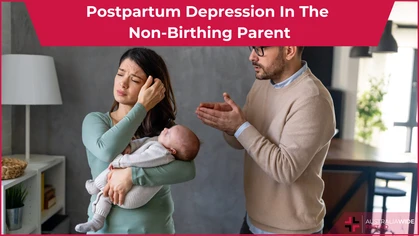
Postpartum Depression In The Non-Birthing Parent
New parents, both birthing and non-birthing, can develop postpartum depression. Birthing parents are easily recognized as being at risk for postpartum depression; however, it is important to acknowledge that non-birthing parents are equally susceptible to experiencing postpartum depression.
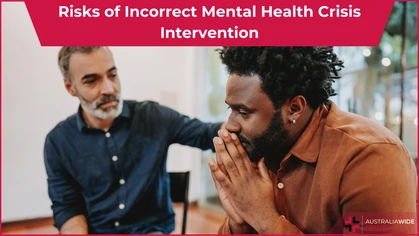
Risks of Incorrect Mental Health Crisis Intervention
In moments of mental health crises, offering support to those in distress is crucial. However, the way support is provided can impact the person's well-being and the outcome of the crisis. Incorrect support can exacerbate the situation, potentially leading to further distress and harm.
What is Mental Health First Aid
Mental health first aid involves providing initial support to someone experiencing a mental health crisis. Just as physical first aid is administered for physical health emergencies, the idea is to provide support in the moment, rather than attempt to ‘fix everything’.
Postpartum Depression in Fathers
Postpartum depression in men is a very real and everyday reality. Though rarely discussed, 1 out of 10 fathers-to-be experience this dark cloud over what is such a beautiful life event.
Bipolar Affective Disorder
Millions of people suffer from bipolar affective disorder around the world. A bipolar patient experiences episodes of extreme highs and lows, which can negatively affect their normal life and relationships. Understanding this mental health condition helps you minimize its impact on your daily life.
Secondary Trauma
Whether you've witnessed a shocking car accident, the distressing unfolding of a violent act, the heart-wrenching journey of caring for a sick loved one, or hearing horror stories, the deep impact of experiencing traumatic events is part of the complex fabric of human life.
Understanding Panic Disorders
Panic disorder is a common yet often misdiagnosed mental illness that can significantly affect your life. The hallmarks of panic disorders are abrupt, severe bouts of anxiety and terror.

Mental Health in Children
Fostering good mental health in your child is as important as helping them keep physically fit. Every child is different. You need to understand where normal behaviour ends and concerning symptoms start.