3 Safety Precautions Outdoor Activity Leaders Should Take

Danger
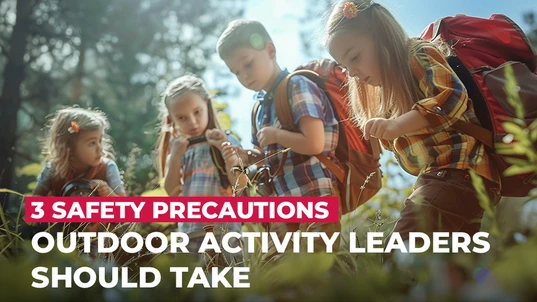 It’s well known that getting outdoors and exploring nature can be beneficial for both children and adults alike. From hiking to simply enjoying toasting marshmallows over an open fire, there’s a way to connect with the wild that suits everyone.
But it can feel daunting for some people to just head out into the countryside, especially if they’re used to being in an urban environment. That’s where structured outdoor sessions come in. Promoting a sense of calm, reduced stress and confidence, outdoor activities can help introduce someone to the wild in a safe environment with an experienced guide – you.
No matter how experienced you are as an outdoor activity leader, there are some things you should always do to keep your group safe. Nature can be unpredictable, and so it’s best to be prepared. Let’s understand how you can enjoy the benefits of the outdoors safely.
It’s well known that getting outdoors and exploring nature can be beneficial for both children and adults alike. From hiking to simply enjoying toasting marshmallows over an open fire, there’s a way to connect with the wild that suits everyone.
But it can feel daunting for some people to just head out into the countryside, especially if they’re used to being in an urban environment. That’s where structured outdoor sessions come in. Promoting a sense of calm, reduced stress and confidence, outdoor activities can help introduce someone to the wild in a safe environment with an experienced guide – you.
No matter how experienced you are as an outdoor activity leader, there are some things you should always do to keep your group safe. Nature can be unpredictable, and so it’s best to be prepared. Let’s understand how you can enjoy the benefits of the outdoors safely.
Have an Emergency Protocol
Before you start your activity, consider the process that you will follow in an emergency. Whilst it’s not nice to think about, if something happens, you’ll be glad of a plan, so that you don’t have to think on your feet and run the risk of missing something. Create a document that outlines the activity that you’ll be doing, including a comprehensive risk assessment that covers accidents and freak weather. You’ll also need to have information such as allergies or illnesses of the participants to hand, in case medical crews need to get involved. Don’t rely on phone signal for this – make sure you can access the information offline. You should also consider how you’ll handle things if you need to get information out to a lot of people at once. A key point of contact who is not part of the activity may be able to assist with this, but if you’re running a large-scale event, then consider putting some professional support in place for the duration of your event.Share a Route/Activity Plan
If you’re taking a group away from the activity centre (for example for a hike) you should share a route plan with someone back at base. Include the route you’re going to take, the number of people in your party, and how long you expect the activity to take, as well as an emergency contact. The person at the centre can then keep an eye on the time and call you if you’re not back within an hour or two of the time you said you would be. If they aren’t able to contact you, then it can be escalated and the emergency process started.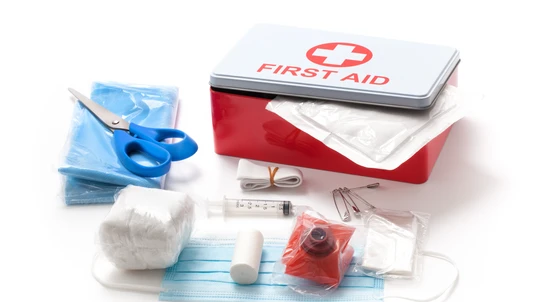
Carry a Sufficient First Aid Kit
As an experienced outdoor leader, you should understand the importance of first aid training and a first aid kit. Even if you’re only running a simple activity, it can pay to be prepared and take a decent amount of gear with you – you’ll be grateful for it if you do need it. Whilst this doesn’t mean you need to carry a hospital-grade kit every time you go out, having some essentials such as bandages, foil blankets, burn gel and eye dressings to hand is sensible. Make sure you review your first aid kit regularly to ensure that items have been restocked and are still in a usable condition.Enjoy the Wild
By following these safety precautions, you can relax and do what you do best – share the joy of the outdoors with your activity participants. By keeping everyone safe, you can ensure they leave with happy memories and feel inspired to enjoy nature for years to come.
Originally published at
https://www.australiawidefirstaid.com.au/resources/3-safety-precautions-outdoor-activity-leaders-should-take
as part of the Australia Wide First Aid Articles Library
Related Articles
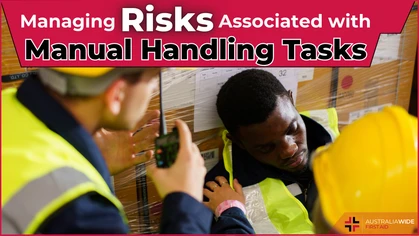
Managing Risks Associated with Manual Handling Tasks
Almost every job involves using the body to carry out some type of manual task. Some tasks may be hazardous, causing injuries such as musculoskeletal disorders (MSDs). Knowing how to manage them is a legal responsibility of all workplaces.
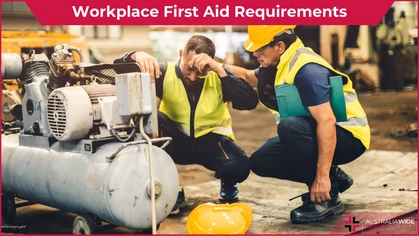
Workplace First Aid
In Australia, workplace safety is a top priority, and First Aid plays a crucial role in ensuring the well-being of employees. Workplaces are expected to adhere to specific regulations and guidelines outlined by Safe Work Australia. How does your workplace stack up?

Common House Party Injuries
As you raise your glass to toast to good times, let's also raise awareness about safety, because partying responsibly is about more than just having a great time – it's about ensuring that everyone goes home unscathed.
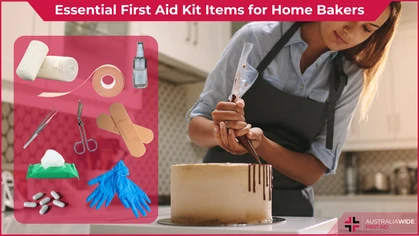
First Aid Kit Items for Home Bakers
A well-prepared first aid kit is an essential tool for any home baker. Accidents can happen at any time, and having the necessary supplies on hand can make a significant difference in the outcome of minor injuries.
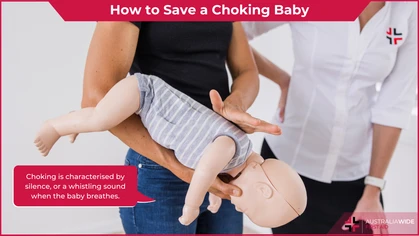
How to Save a Choking Baby
Choking is a frightening situation that demands immediate action. Babies are particularly vulnerable to choking hazards. In such a critical moment, knowing how to react can be the difference between a minor scare and a life-threatening emergency.

Towel Mistake Could Cause Drowning
With the weather warming up, many people are heading back to the water. There is, however, one common thing that many people do which is putting your child’s life in danger.

5 Dangerous Chemicals in Your House
Within your own home, there is a surprising amount of dangerous chemicals that can cause severe damage to your health if you lack the knowledge of identifying and treating them. This article will provide an understanding of common household acids, their symptoms when they come into contact with the skin, appropriate first aid treatment, and when to seek medical assistance.
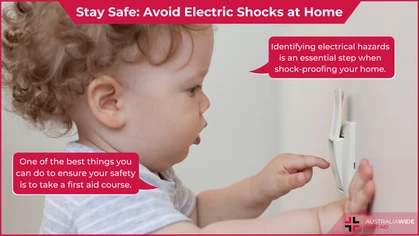
Stay Safe: Avoid Electric Shocks at Home
Electric shocks can be dangerous and even deadly. Knowing how to identify electrical hazards, understanding home electrical safety tips, preparing for electrical emergencies, and taking a first aid course to help deal with electric shock injuries can help you shock-proof your home.
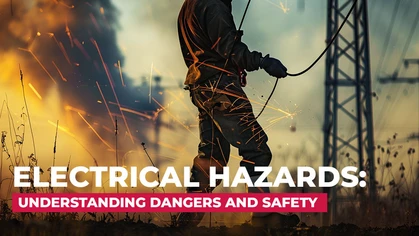
Electrical Hazards
Electricity is a vital energy source used in various industrial and domestic settings. Understanding and awareness of the potential dangers of electricity in the workplace is crucial. Electrical hazards pose a significant risk to workers' safety, including the risk of electric shock, electrical burns, and arc flash.
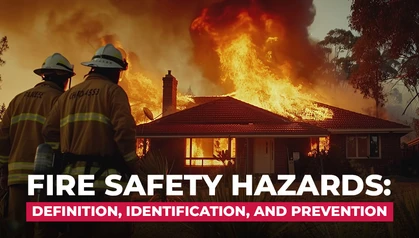
Fire Safety Hazards
Fires can be devastating, causing damage to property and endangering lives. Identifying hazards is crucial to protecting property and lives.